André Le Nôtre
French landscape architect who designed the gardens of Versailles.

via Wikipedia: André Le Nôtre · see source
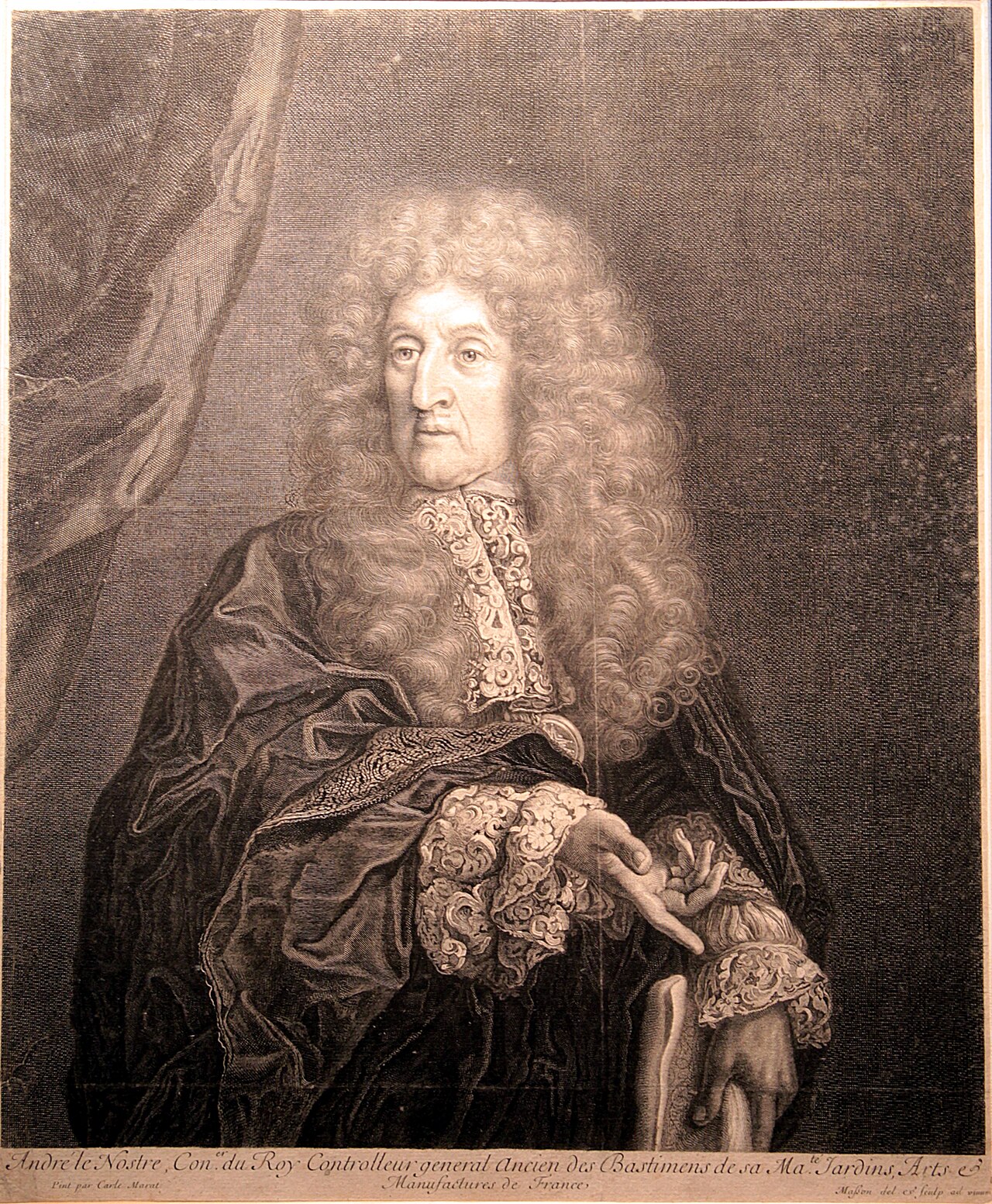
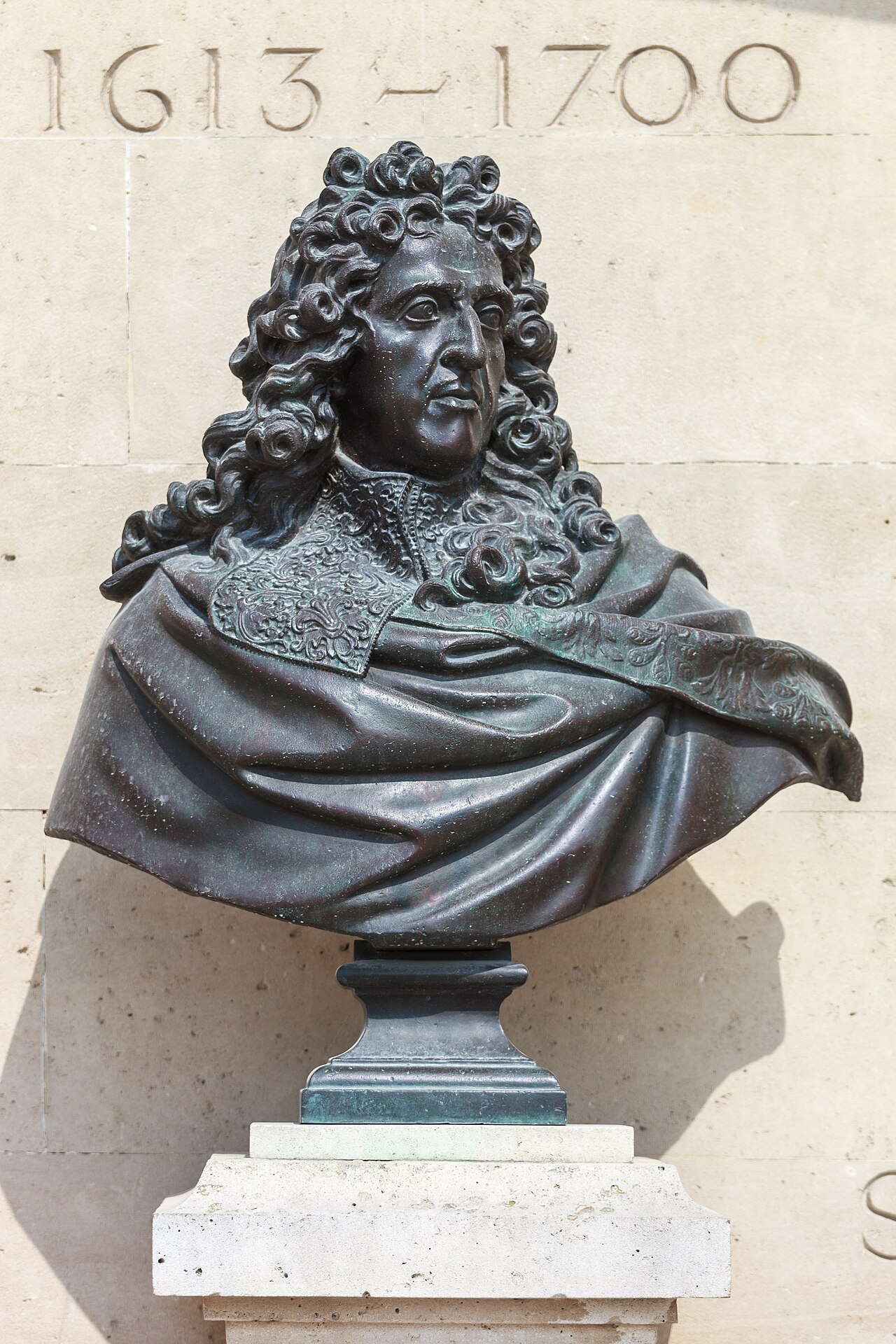
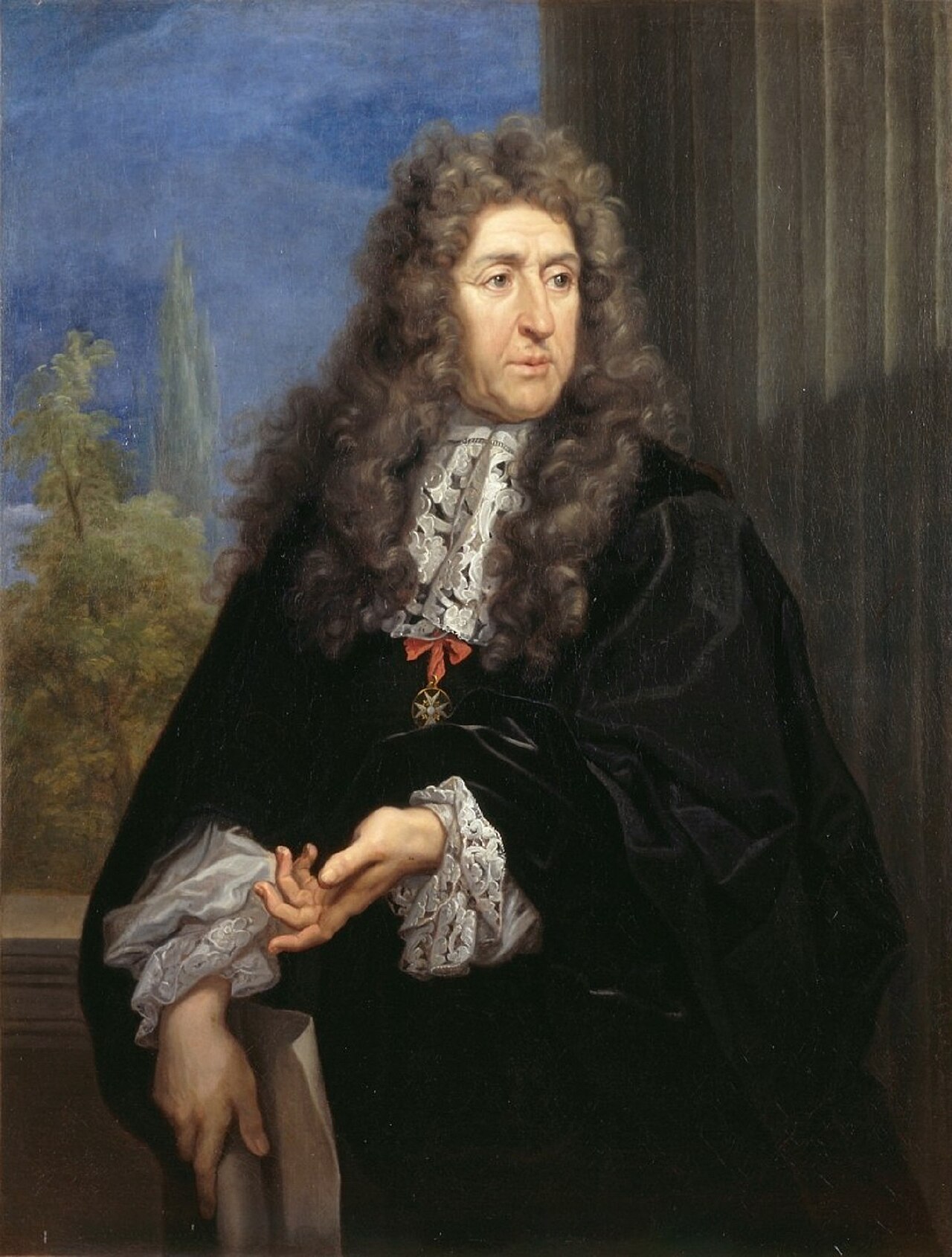
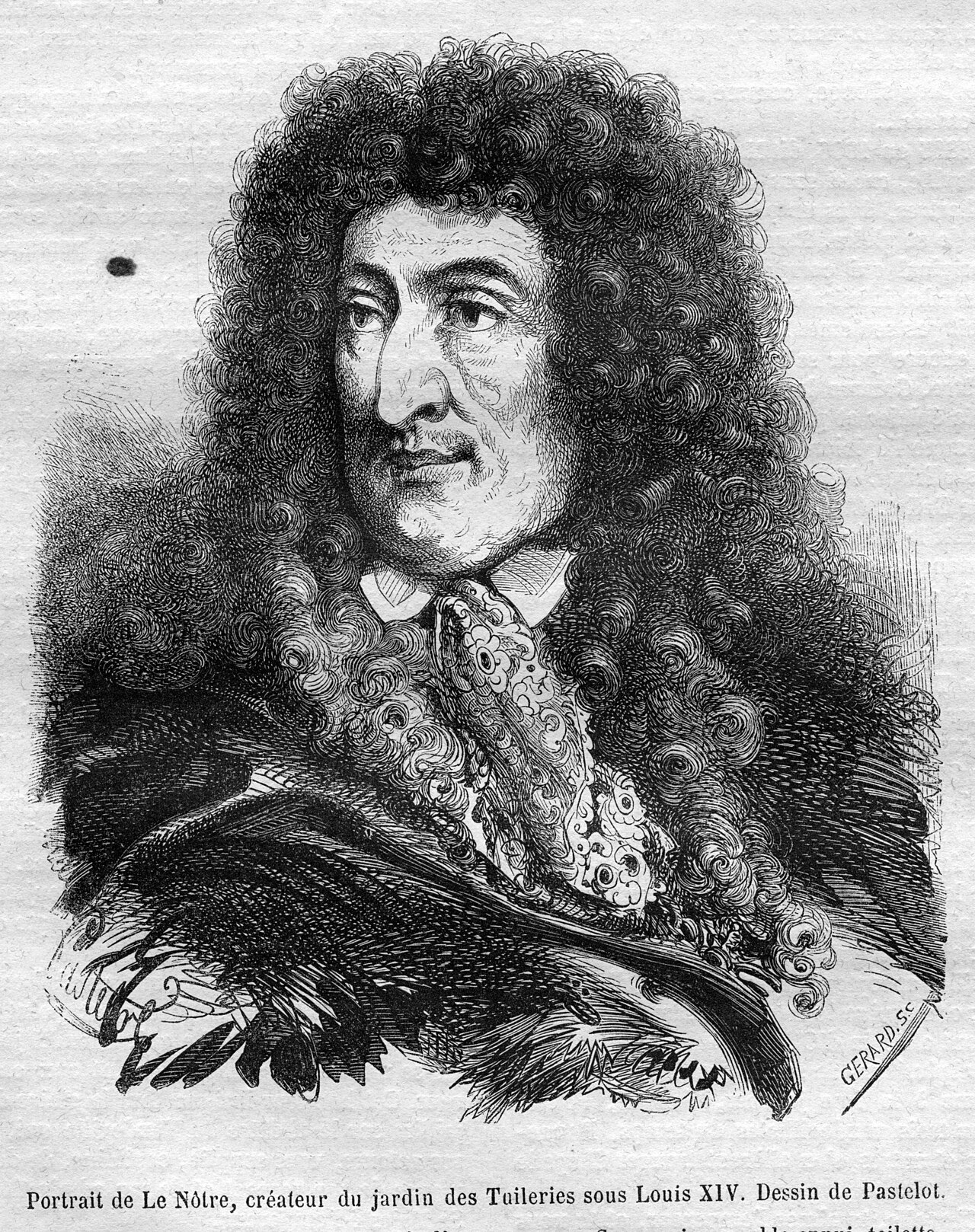
André Le Nôtre (12 March 1613 – 15 September 1700), originally rendered as André Le Nostre, was a French landscape architect and the principal gardener of King Louis XIV of France. He was the landscape architect who designed the gardens of the Palace of Versailles; his work represents the height of the French formal garden style, or jardin à la française. Prior to working on Versailles, Le Nôtre collaborated with Louis Le Vau and Charles Le Brun on the park at Vaux-le-Vicomte. His other works include the design of gardens and parks at Bicton Park Botanical Gardens, Chantilly, Fontainebleau, Saint-Cloud and Saint-Germain. His contribution to planning was also significant: at the Tuileries in Paris he extended the westward vista, which later became the Avenue des Champs-Élysées within the Axe historique.
- born
- 12 March 1613
- died
- 15 September 1700
- field
- Landscape architecture
- nationality
- French
- known_for
- Designing the gardens of the Palace of Versailles
Lore & Background
André Le Nôtre was born in Paris into a family of gardeners. His father Jean Le Nôtre was head gardener at the Tuileries under Louis XIII, and André grew up in a house within the Tuileries, acquiring practical and theoretical knowledge of gardening. He studied mathematics, painting, and architecture at the Palais du Louvre, entered the atelier of Simon Vouet, and studied under the architect François Mansart. In 1635, he was named principal gardener to Gaston, Duke of Orléans, and in 1637 he became head gardener at the Tuileries, taking over his father's position. He later worked on the gardens of Fontainebleau and was appointed Controller-General of the Royal Buildings in 1657. Le Nôtre's first major garden design was for Nicolas Fouquet at Vaux-le-Vicomte, where he collaborated with architect Louis Le Vau and painter Charles Le Brun. The gardens were completed by 1661, but Fouquet was arrested shortly after, and Le Nôtre entered the king's service. From 1661, he worked on the gardens and parks of Versailles. He also designed gardens at Chantilly, Saint-Cloud, and Saint-Germain, and extended the Tuileries axis westward, creating the future Champs-Élysées. He was ennobled by Louis XIV in 1675.
Reader's Guide
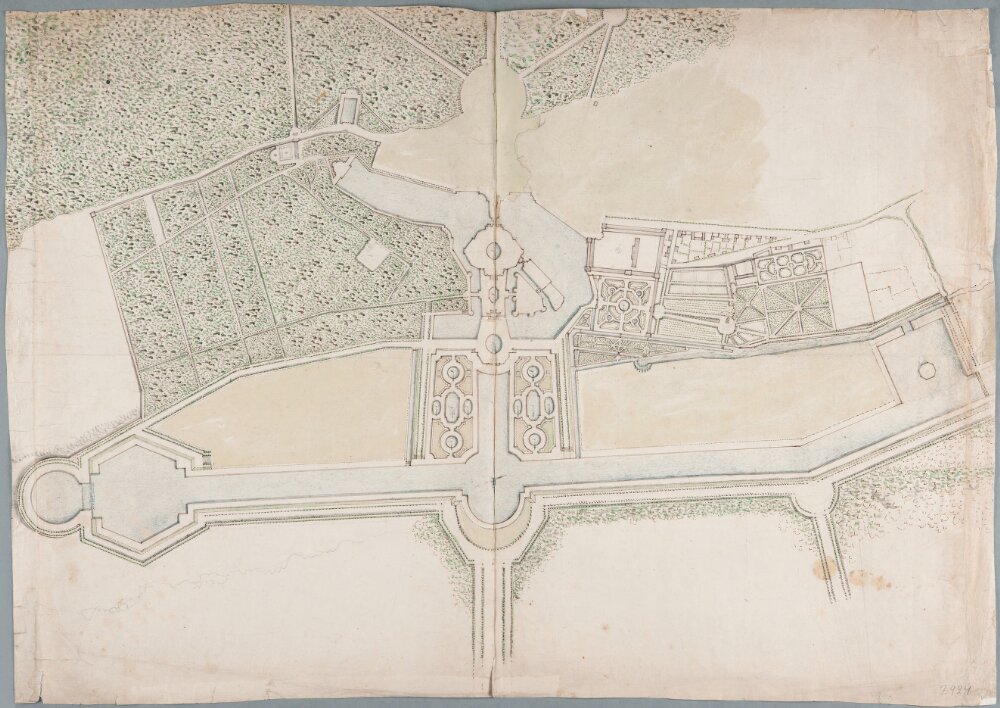
André Le Nôtre's significance lies in his role as the principal creator of the French formal garden style, epitomized by the gardens of Versailles. His designs emphasized symmetry, forced perspective, and the manipulation of topography, as seen at Vaux-le-Vicomte where the canal is invisible from the house and the grotto appears closer than it is. His work at Versailles influenced urban planning, including Pierre Charles L'Enfant's master plan for Washington, D.C. Le Nôtre's legacy extends beyond France: he provided designs for Greenwich Park in London and gardens at Bicton Park in England, as well as projects in Italy. His work is often contrasted with that of English landscape architect Capability Brown. Le Nôtre expressed himself purely through his gardens, seldom writing down his ideas, and his designs remain a benchmark of formal garden design.
Did You Know?
- Le Nôtre was baptised at the Église Saint-Roch, and his godfather was an administrator of the royal gardens while his godmother was the wife of Claude Mollet.
- He married Françoise Langlois in 1640, and they had three children, none of whom survived to adulthood.
- Le Nôtre and Charles Le Brun accompanied the court at the Siege of Cambrai in 1677.
- He was ennobled by Louis XIV in 1675.
- Le Nôtre seldom wrote down his ideas or approach to gardening, expressing himself purely through his gardens.
Roots in the Tuileries
André Le Nôtre's connection to French garden design was not a matter of ambition but of inheritance. Born on 12 March 1613 in Paris and baptised at the Église Saint-Roch, he entered a world where the soil was already turned. His father Jean had served as head gardener at the Tuileries under Louis XIII, and the family literally lived within the garden walls. This meant young André absorbed both the practical craft and the theoretical underpinnings of landscape design from childhood. His proximity to the Palais du Louvre, which at the time housed an academy of the arts, gave him access to mathematics, painting, and architecture. He entered the atelier of Simon Vouet, the painter to Louis XIII, where he formed a lasting friendship with Charles Le Brun. He also spent several years studying under the architect François Mansart, absorbing classical principles of art and perspective. By the time he took up his own professional career, Le Nôtre carried a rare combination of horticultural instinct and formal artistic training.
Ascent to Royal Authority
Le Nôtre's professional climb was steady and closely tied to the French crown. In 1635, at just twenty-two, he was named principal gardener to Gaston, Duke of Orléans, the king's brother. Two years later he inherited his father's post as head gardener at the Tuileries, overseeing the sections nearest the palace, including Simon Bouchard's orangery. By 1643 he held the title of draughtsman of plants and terraces for Queen Mother Anne of Austria, and in 1645 he began modernising the grounds at Fontainebleau. His authority expanded further when he was placed in charge of all royal gardens in France, and in 1657 he received the appointment of Controller-General of the Royal Buildings. Louis XIV trusted him enough to grant him ennoblement in 1675, and the two even traveled together to the Siege of Cambrai in 1677. Notably, Le Nôtre left almost no written treatises; his philosophy of design existed solely in the gardens themselves, making his influence all the more tangible and all the more difficult to codify in text.
Vaux-le-Vicomte and the Birth of Versailles
The turning point in Le Nôtre's career came through an unlikely patron. Nicolas Fouquet, Louis XIV's Superintendent of Finances, commissioned a grand estate at Vaux-le-Vicomte beginning in 1657, assembling Le Nôtre alongside architect Louis Le Vau and painter Charles Le Brun. The three worked as true partners: Le Nôtre laid out a sweeping symmetrical composition of parterres, pools, and gravel walks, while the team exploited the site's shifting elevations to hide the canal from the château and use forced perspective to compress the distance to the grotto. The gardens were finished by 1661, when Fouquet staged a lavish entertainment for the king. Three weeks later, on 10 September 1661, Fouquet was arrested for embezzling state funds, and his entire team of artists and craftsmen was absorbed into royal service. From that moment, Le Nôtre devoted himself to Louis XIV, transforming the modest hunting lodge at Versailles into the palace and garden complex that would become the seat of French power. He also designed the radiating city plan of Versailles, which included the Avenue de Paris, the largest avenue yet seen in Europe.
A Style That Crossed Borders
Le Nôtre's influence radiated far beyond the French court. In 1662 he supplied designs for Greenwich Park in London for Charles II of England, and in 1670 he conceived a project for the Castle of Racconigi in Italy. Between 1674 and 1698 he remodelled the gardens at the Palace of Venaria and the Royal Palace of Turin, and he visited Italy in person in 1679. His most striking foreign commission, however, was the gardens at Bicton Park Botanical Gardens in Devon, England, which remain open to visitors today. Within France, his 1667 extension of the Tuileries' main axis westward created the avenue that would eventually become the Champs-Élysées, anchoring what is now known as the Axe historique. The reach of his design philosophy extended even further: in the following century, Pierre Charles L'Enfant drew on the Versailles layout when drafting the master plan for Washington, D.C. His work is frequently set in contrast to that of Capability Brown, the English landscape architect, representing the antithesis of the naturalistic English garden. Le Nôtre died on 15 September 1700, leaving behind a visual language of order and grandeur that continues to shape how the world conceives of formal landscape design.
Gallery
Frequently Asked Questions
Who is André Le Nôtre?
André Le Nôtre was a French landscape architect (1613–1700) who served as the chief gardener to King Louis XIV. He is widely regarded as the defining figure of the formal French garden tradition.
What is André Le Nôtre most famous for?
He is best known for designing the vast gardens of the Palace of Versailles, which became the ultimate expression of the French formal garden style. Those grounds set the standard for European landscape design for centuries afterward.
What garden style is André Le Nôtre associated with?
Le Nôtre is the principal architect behind the jardin à la française, a style built on geometric parterres, long axial vistas, and meticulous symmetry. His work at Versailles represents the peak of this formal approach to landscape design.
Besides Versailles, what other gardens did André Le Nôtre design?
His portfolio includes the grounds at Chantilly, Fontainebleau, Saint-Cloud, and Saint-Germain-en-Laye. He also extended the westward view from the Tuileries in Paris, a vista that eventually evolved into the Avenue des Champs-Élysées.
How did André Le Nôtre's career connect to the French monarchy?
He served as the principal gardener to Louis XIV, shaping the royal estates to project the absolute power and grandeur of the Sun King's court. His designs turned gardens into instruments of political spectacle and the taming of nature.
More in Architects 1-24
Spotted an error? Know more?
This is a living reference — every entry is fact-audited, and reader corrections feed straight into our audit queue. Suggest an edit · See this site's audit record