B. V. Doshi
Indian architect, educator, and pioneer of modernist and brutalist design.

via Wikipedia: B. V. Doshi · see source
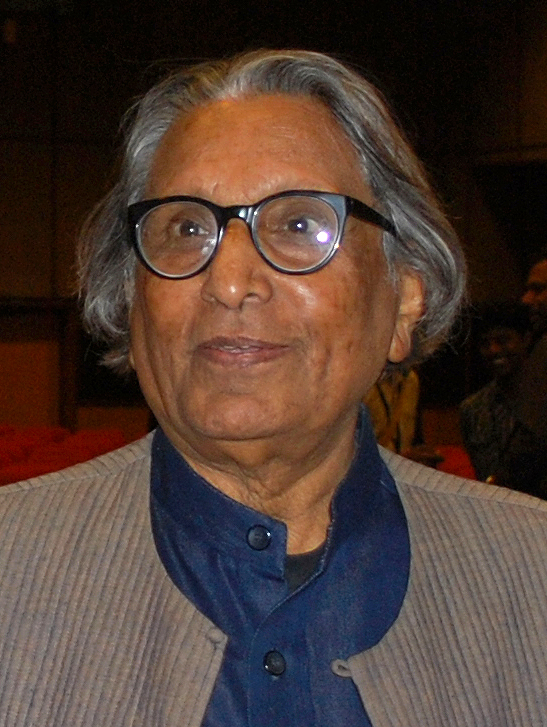
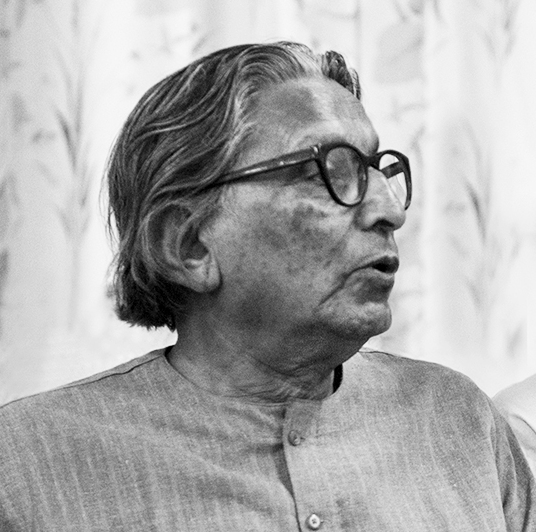
Balkrishna Vithaldas Doshi (26 August 1927 – 24 January 2023) was an Indian architect. He is an important figure in Indian architecture and noted for his contributions to the evolution of architectural discourse in India. Having worked under Le Corbusier and Louis Kahn, he was a pioneer of modernist and brutalist architecture in India. In 2018, he became the first Indian architect to receive the Pritzker Architecture Prize.
- born
- 26 August 1927
- died
- 24 January 2023
- field
- Architecture
- nationality
- Indian
- known_for
- Pioneer of modernist and brutalist architecture in India; first Indian to receiv
Verified Timeline
Lore & Background
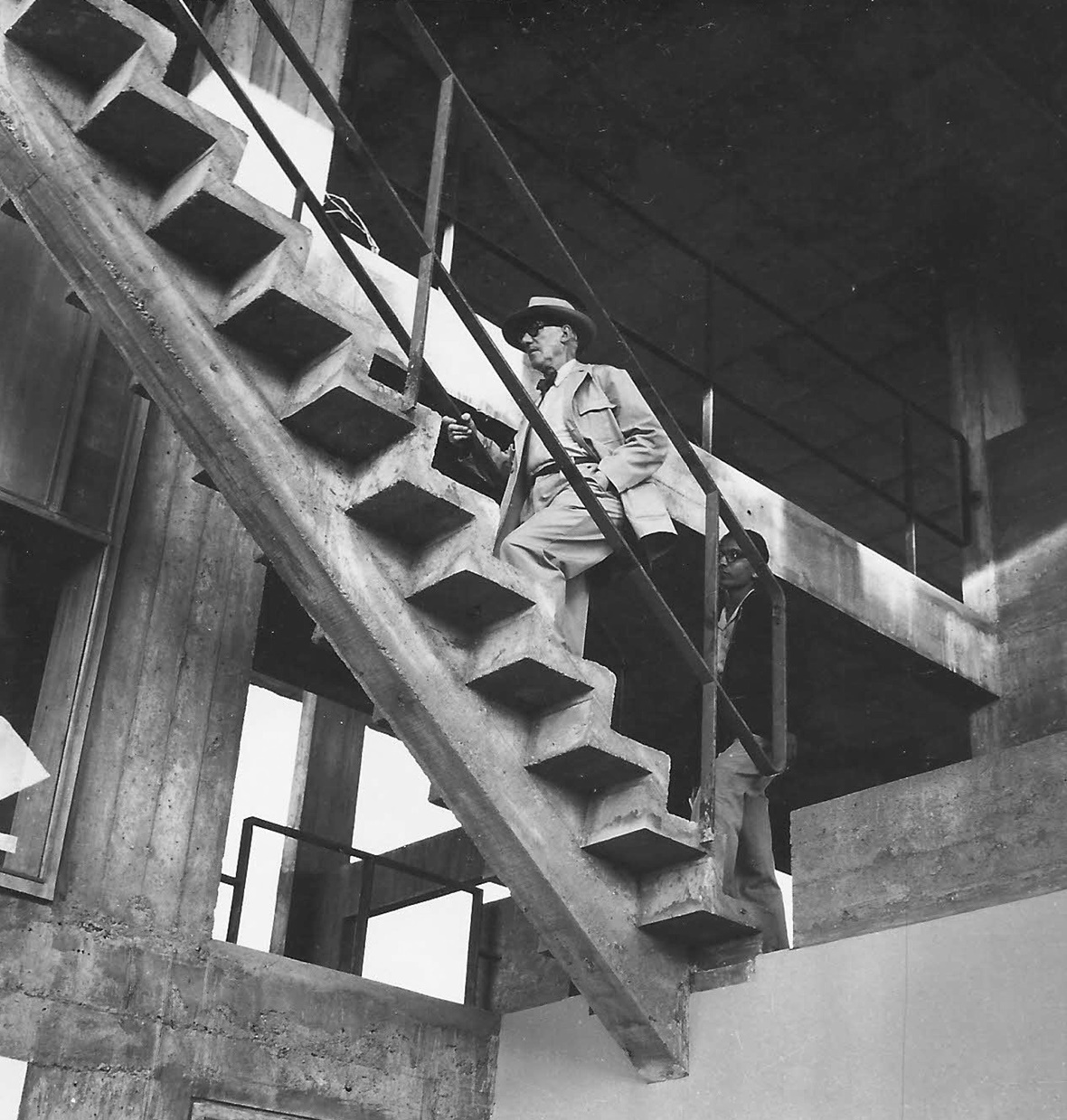
Doshi was born to a Gujarati Vaishnav Hindu family in Pune. His mother died when he was 10 months old and his father remarried, with his grandfather and aunts helping raise him. At the age of eleven, he was injured in a fire accident, and thereafter walked with a slight limp. He studied at the Sir J. J. School of Art in Mumbai between 1947 and 1950. In 1950, he went to Europe and worked closely with Le Corbusier on the latter's projects in Paris between 1951 and 1954. He returned to India in 1954 to supervise Corbusier's buildings in Ahmedabad, which included the Villa Sarabhai, Villa Shodhan, Mill Owners' Association Building, and Sanskar Kendra. His studio, Vastu-Shilpa (environmental design), was established in 1955. Doshi worked closely with Louis Kahn and Anant Raje when Kahn designed the campus of the Indian Institute of Management, Ahmedabad. In 1958 he was a fellow at the Graham Foundation for Advanced Studies in the Fine Arts. He then started the School of Architecture (S.A) in 1962. His noteworthy designs include IIM Bangalore, Amdavad ni Gufa, CEPT University, and the Aranya Low Cost Housing development in Indore, for which he was awarded the Aga Khan Award for Architecture. He was also awarded the Padma Shri, the Padma Bhushan, the Padma Vibhushan, and the Royal Institute of British Architects' Royal Gold Medal for 2022. Doshi died in Ahmedabad, Gujarat on 24 January 2023, at age 95.
Reader's Guide
Balkrishna V. Doshi's significance lies in his role as a pioneer of modernist and brutalist architecture in India, having worked under Le Corbusier and Louis Kahn. He was equally known as an educator and institution builder, serving as founding director of the School of Architecture, Ahmedabad (1962–72), founding director of the School of Planning (1972–79), founding dean of the Centre for Environmental Planning and Technology (1972–81), founding member of the Visual Arts Centre, Ahmedabad, and founding director of the Kanoria Centre for Arts, Ahmedabad. He established the Vastu-Shilpa Foundation for Studies and Research in Environmental Design, which performed pioneering work in low-cost housing and city planning. His designs incorporate concepts of sustainability in innovative ways. Doshi's work on the reunification of Indian and English heritages through his practice was awarded a Global Award for Sustainable Architecture in 2007, the award's first edition. In 2018, he became the first Indian architect to receive the Pritzker Architecture Prize, with the jury noting his 'deep sense of responsibility and a desire to contribute to his country and its people through high quality, authentic architecture.' His legacy includes a wide range of buildings across India, from educational campuses to low-cost housing, and his influence on architectural discourse continues through his archives and foundation.
Did You Know?
- Doshi's mother died when he was 10 months old, and at age eleven he was injured in a fire accident, after which he walked with a slight limp.
- He worked closely with Le Corbusier in Paris from 1951 to 1954, then returned to India to supervise Corbusier's buildings in Ahmedabad.
- Doshi appeared as himself in Mani Ratnam's film O Kadhal Kanmani and Shaad Ali's Ok Jaanu.
- He was awarded the Aga Khan Award for Architecture for the Aranya Low Cost Housing development in Indore.
- Doshi was the first Indian architect to receive the Pritzker Architecture Prize, in 2018.
Career & Architectural Achievements
Balkrishna Vithaldas Doshi's path as an architect was shaped by two towering figures in the field. After completing his art education at the Sir J. J. School of Art in Mumbai in the late 1940s, he traveled to Europe and spent three years in Le Corbusier's Paris studio. Upon returning to India, he oversaw the construction of Corbusier's Ahmedabad projects, including the Villa Sarabhai, Villa Shodhan, the Mill Owners' Association Building, and the Sanskar Kendra. Corbusier is described as having been a major influence on Doshi's later work. In 1955 he opened his own practice, Vastu-Shilpa, and later collaborated closely with Louis Kahn and Anant Raje on the Indian Institute of Management campus in Ahmedabad. Over the decades, his portfolio grew to include landmark institutions such as CEPT University, IIM Bangalore, IIM Udaipur, NIFT Delhi, FLAME University, and the Nalanda International University inaugurated by Prime Minister Narendra Modi. His design Amdavad ni Gufa and the Aranya Low Cost Housing development in Indore further cemented his reputation as a pioneer who blended modernist and brutalist sensibilities with a distinctly Indian architectural identity.
Defining Moments & Recognition
Doshi's career reached its most celebrated peak in March 2018 when he became the first Indian architect ever to receive the Pritzker Architecture Prize, often called the Nobel equivalent for the field. The jury praised his work as serious and trend-resistant, noting his deep sense of responsibility toward his country and its people. That same era saw a cascade of honors: the Royal Institute of British Architects bestowed its Royal Gold Medal on him in 2022, and India's government elevated his civilian recognition from the Padma Shri in 1976 to the Padma Bhushan in 2020 and, posthumously, the Padma Vibhushan in 2023. Earlier, his Aranya Community Housing project in Indore earned the Aga Khan Award for Architecture, and in 2007 he received the inaugural Global Award for Sustainable Architecture for bridging Indian and English architectural heritages. Beyond receiving prizes, Doshi sat on the selection committees for the Pritzker Prize, the Indira Gandhi National Centre for the Arts, and the Aga Khan Award for Architecture, and held fellowships at both the Royal Institute of British Architects and the Indian Institute of Architects.
Legacy & Impact
Beyond his built works, Doshi left an important mark as an educator and institution builder. He served as founding director of the School of Architecture in Ahmedabad from 1962 to 1972, then as founding director of the School of Planning until 1979, and as founding dean of the Centre for Environmental Planning and Technology from 1972 to 1981. He also helped establish the Visual Arts Centre and the Kanoria Centre for Arts, both in Ahmedabad. His research institute, the Vastu-Shilpa Foundation for Studies and Research in Environmental Design, became nationally and internationally recognized for pioneering work in low-cost housing and city planning. Doshi's housing projects, such as the Bimanagar Housing Society and the Aranya development, were designed with the expectation that families would inhabit them across generations, modify them over time, and develop a strong sense of belonging. He once said of his Bimanagar project: 'One of my most favourite housing projects is the one I designed for Life Insurance Corporation, at Ahmedabad. Here I knew that the houses would be occupied by several generations of the same family, that they would identify with it, that there will be a strong sense of belonging and that their needs will change, and they may modify parts of it.' His approach consistently wove sustainability into innovative design, drawing inspiration from historic Indian monuments alongside European and American architectural traditions.
Life Beyond the Spotlight
Behind the celebrated architect was a man shaped by early loss and resilience. Doshi lost his mother when he was just ten months old; his father remarried, and his grandfather and aunts played a central role in raising him. At eleven, a fire accident left him with a permanent slight limp. He married Kamala Parikh in 1955, and the couple raised three daughters who each pursued creative careers: Tejal became a textile designer, Radhika an architect and fashion designer, and Maneesha a painter. His granddaughter, Khushnu Panthaki Hoof, is herself an architect who heads the Balkrishna Doshi Archives and the Vastushilpa Foundation, and together with her husband Sönke Hoof serves as Principal Architect of Studio Sangath. Doshi also crossed into popular culture, appearing as himself in Mani Ratnam's O Kadhal Kanmani and Shaad Ali's Ok Jaanu, and was the subject of a 2008 documentary by Premjit Ramachandran. He passed away in Ahmedabad on 24 January 2023, at the age of ninety-five.
Gallery
Frequently Asked Questions
Who is B. V. Doshi?
Balkrishna Vithaldas Doshi (1927–2023) was an Indian architect, educator, and a leading voice in shaping modernist and brutalist design within the Indian context.
Who mentored Doshi and how did it shape his work?
He trained under both Le Corbusier and Louis Kahn, and that dual influence helped him carve out a distinct modernist-brutalist vocabulary that felt rooted in Indian conditions rather than simply imported.
What is Doshi's most celebrated achievement?
In 2018 he became the first Indian architect ever to be awarded the Pritzker Architecture Prize, the field's highest international honour.
Why do fans consider Doshi a pivotal figure in Indian architecture?
He is widely credited with steering the evolution of architectural discourse in India, bridging global modernist ideas with local climate, materiality, and social needs across a career spanning several decades.
When did B. V. Doshi pass away?
He died on 24 January 2023 at the age of 95, leaving behind a body of work that continues to influence architects and students worldwide.
More in Architects 1-24
Spotted an error? Know more?
This is a living reference — every entry is fact-audited, and reader corrections feed straight into our audit queue. Suggest an edit · See this site's audit record