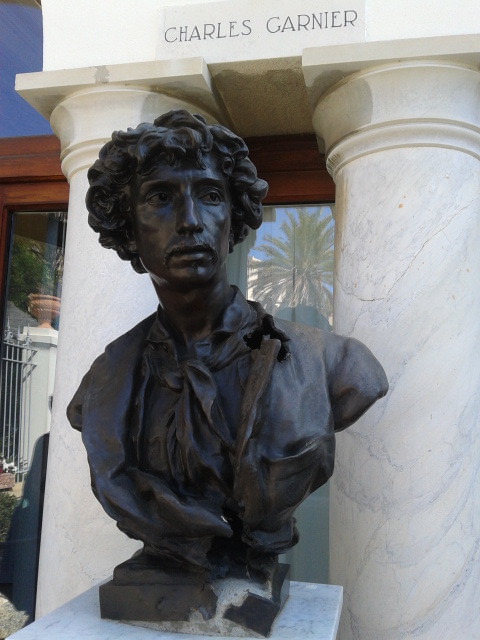
Charles Garnier (architect)
French architect of the Palais Garnier and Opéra de Monte-Carlo.

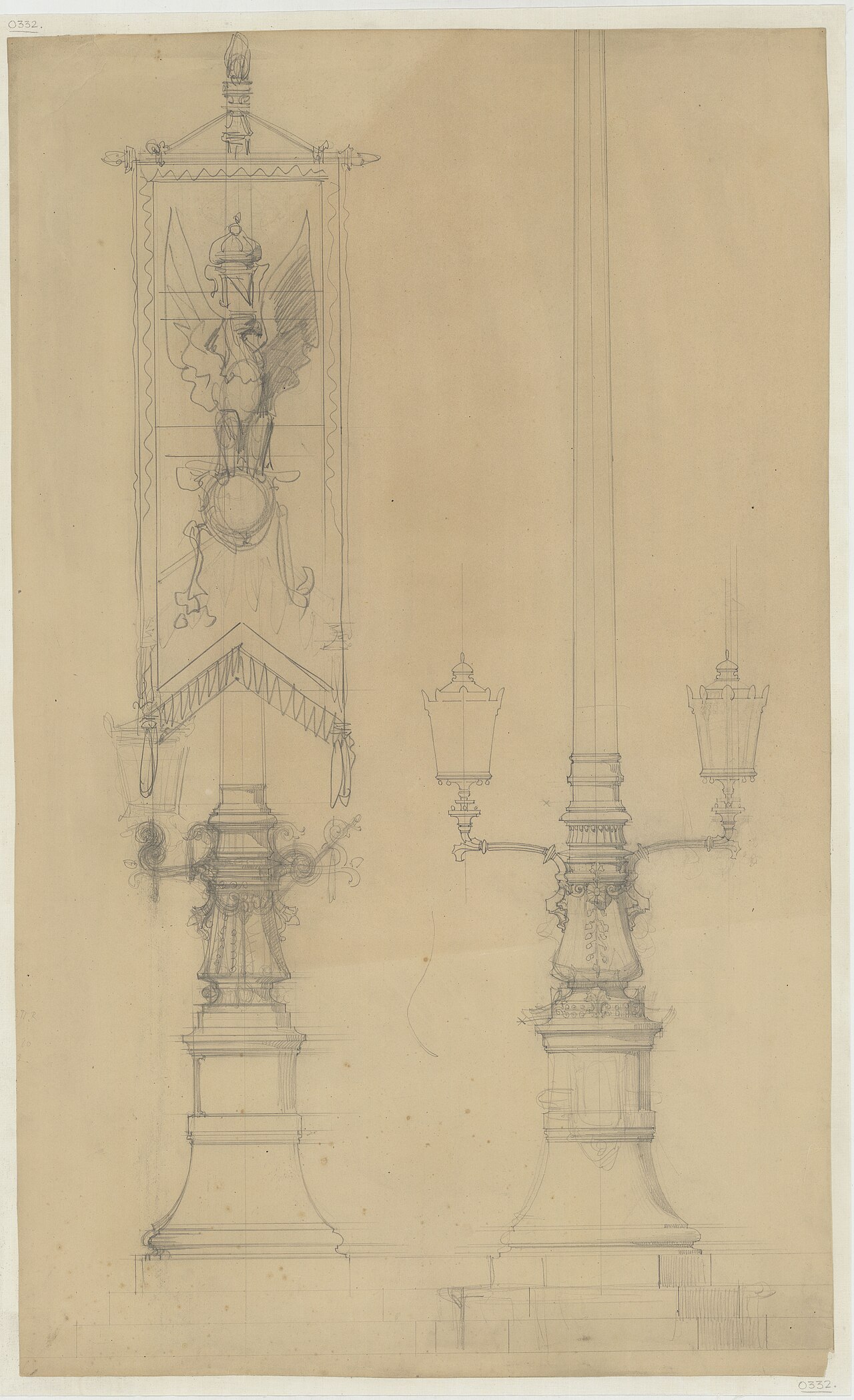
Garnier, Charles (1825-1898). Dessinateur. Ancien possesseur · Public domain
He is best known as the architect of the Palais Garnier in Paris and the Opéra de Monte-Carlo.
- field
- Architecture
- nationality
- French
- known_for
- Palais Garnier, Opéra de Monte-Carlo
Lore & Background
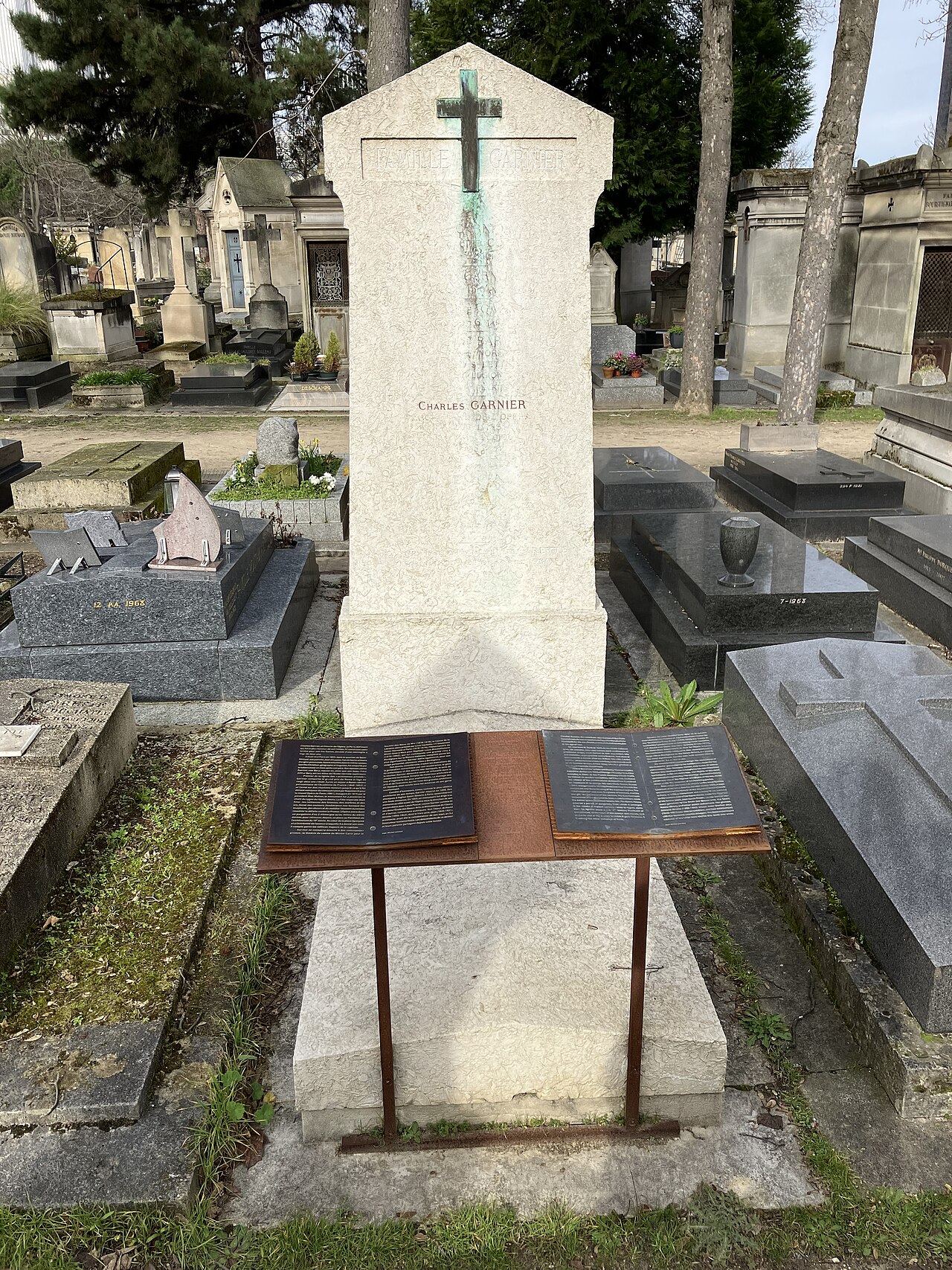
Garnier was born in Paris on the Rue Mouffetard. His father, originally from Sarthe, worked as a blacksmith, wheelwright, and coachbuilder before settling in Paris. Garnier later preferred to claim Sarthe as his birthplace, ignoring his humble origins. Garnier's works represent a Neo-Baroque-inspired style, influenced by Italianate Renaissance artisans. He pioneered the use of metal girders for fireproofing and strength. Later works include the Grand Concert Hall of the Monte Carlo Casino (later the Opéra de Monte-Carlo), the Nice Astronomical Observatory, and the Ateliers Berthier in Paris. He was interred in the Montparnasse cemetery.
Reader's Guide
Charles Garnier's significance lies in his design of the Palais Garnier, a landmark of Second Empire architecture that became a symbol of Paris. His work exemplifies the Beaux-Arts period in France, blending Neo-Baroque style with functional innovations like metal framing. The Palais Garnier's construction overcame engineering challenges, including an underground stream, and its inauguration drew European monarchs. Garnier also contributed to Monte-Carlo's cultural landscape with the Opéra de Monte-Carlo and other buildings. His legacy includes influencing later architects through his integration of ornament and structure. Despite initial criticism—Claude Debussy likened the exterior to a railway station—the Palais Garnier remains a major tourist attraction and opera venue. Garnier's later projects, such as the Nice Observatory and the Ateliers Berthier, demonstrate his versatility. His insistence on polychromy in ancient Greek architecture also reflects his scholarly interests. The monument erected after his death near the Palais Garnier underscores his enduring association with the opera house.
Did You Know?
- Garnier's wife Louise reported that jury member Alphonse de Gisors praised his project for its 'simplicity, clarity, logic, grandeur.'
From Humble Origins to the Beaux-Arts
His father, Jean André Garnier, a native of Sarthe, had worked as a blacksmith, wheelwright, and coachbuilder before settling in the capital to manage a horse-drawn carriage rental. His mother, Felicia Colle, was the daughter of a French Army captain. Garnier would later downplay these modest origins, preferring to claim Sarthe as his birthplace. His work on the Temple of Aphaea in Aegina led him to advocate for the structure's original polychromy.
Winning the Paris Opera Competition
The second phase required revised projects under a 58-page program by Opéra director Alphonse Royer, delivered on 18 April. Revisions reached the jury in mid-May, and on 29 May Garnier's design was chosen for its rare and superior qualities in the distribution of plans and the monumental aspect of the facades and sections. Jury member Alphonse de Gisors reportedly told Garnier and his wife Louise that the project was remarkable in its simplicity, clarity, logic, and grandeur, praising its three-part division of public spaces, auditorium, and stage. He noted that Garnier had greatly improved his scheme since the first round, while the first-phase winner, Ginain, had ruined his.
Construction and Inauguration of the Palais Garnier
During the first week of excavation, workers struck an underground stream that rendered the ground too unstable for a foundation. Eight months were consumed pumping out the water, though enough remained in what became the fifth cellar to power the hydraulic stage machinery above. Garnier's double-walled, bitumen-sealed cement and concrete foundation proved robust enough to withstand residual leakage. Garnier's Neo-Baroque design drew on Renaissance masters such as Palladio, Sansovino, and Michelangelo, while the internal framework of metal girders—unprecedented at the time—provided a fireproof skeleton strong enough to bear the immense weight of marble.
The Riviera and Later Works
Beyond Paris, Garnier left a lasting imprint on the Italian Riviera. Since remodeled, it is now known as the Opéra de Monte-Carlo. Together these venues helped establish Monte-Carlo as a destination for high culture and entertainment, and they remain among Garnier's most recognized architectural achievements.
Gallery
Frequently Asked Questions
What is Charles Garnier most famous for?
He is widely recognized as the designer of the Palais Garnier, the grand opera house in central Paris that has become one of the city's most iconic landmarks. The building's ornate interior and grand staircase are among the most photographed spaces in French architecture.
What are Charles Garnier's major works?
His two signature commissions are the Palais Garnier in Paris and the Opéra de Monte-Carlo in Monaco, both lavish performance halls completed in the latter half of the 19th century. These two projects define his legacy in the architectural world.
Why is Charles Garnier important in architecture?
His opera houses exemplify the opulent Second Empire and Beaux-Arts styles and set a benchmark for theatrical design that influenced venues worldwide. More than a century after their completion, both the Paris and Monte-Carlo houses remain active performance spaces and major cultural destinations.
More in Architects 1-24
Spotted an error? Know more?
This is a living reference — every entry is fact-audited, and reader corrections feed straight into our audit queue. Suggest an edit · See this site's audit record