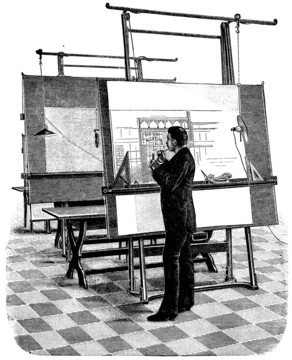
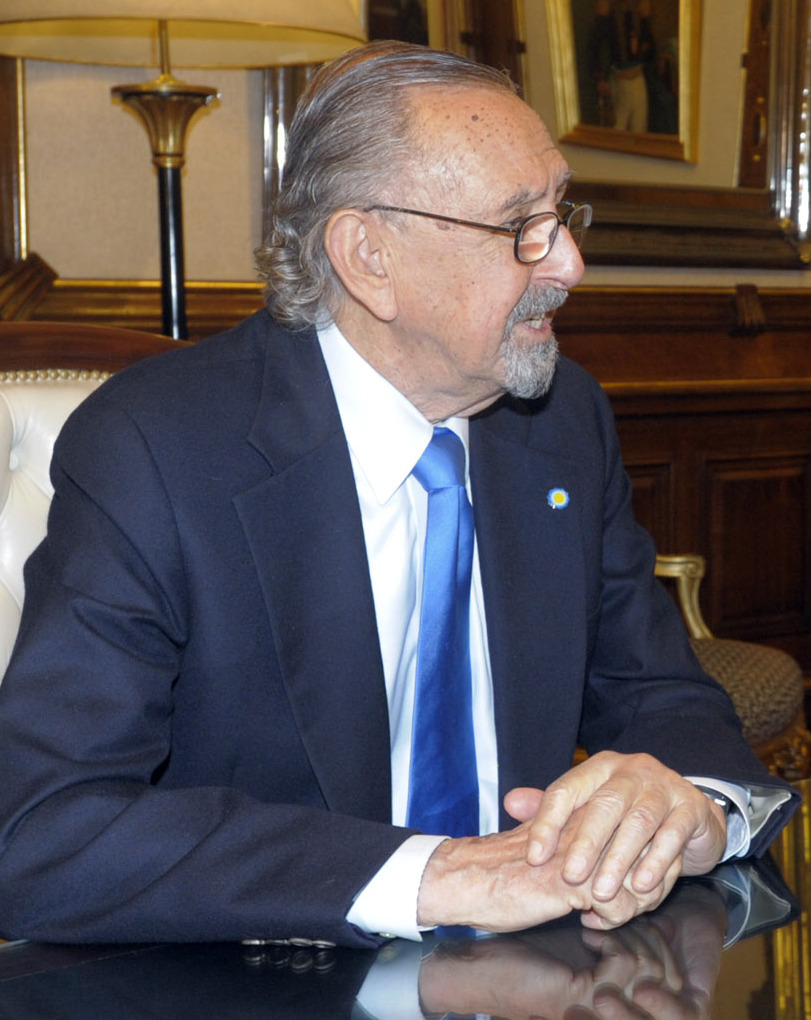
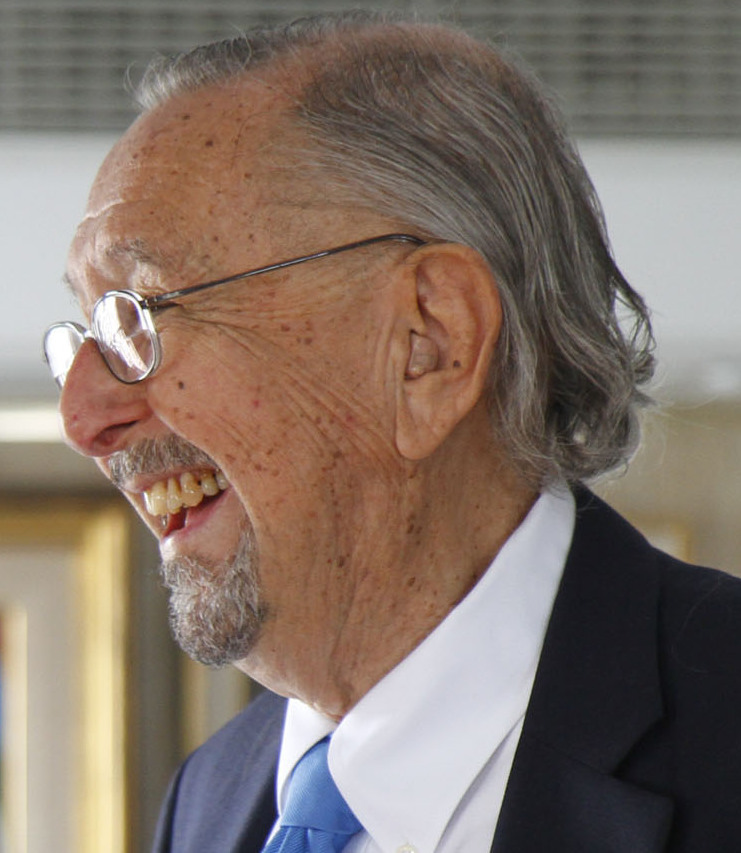
César Pelli
Architect of iconic skyscrapers and urban landmarks.

via Wikipedia: César Pelli · see source
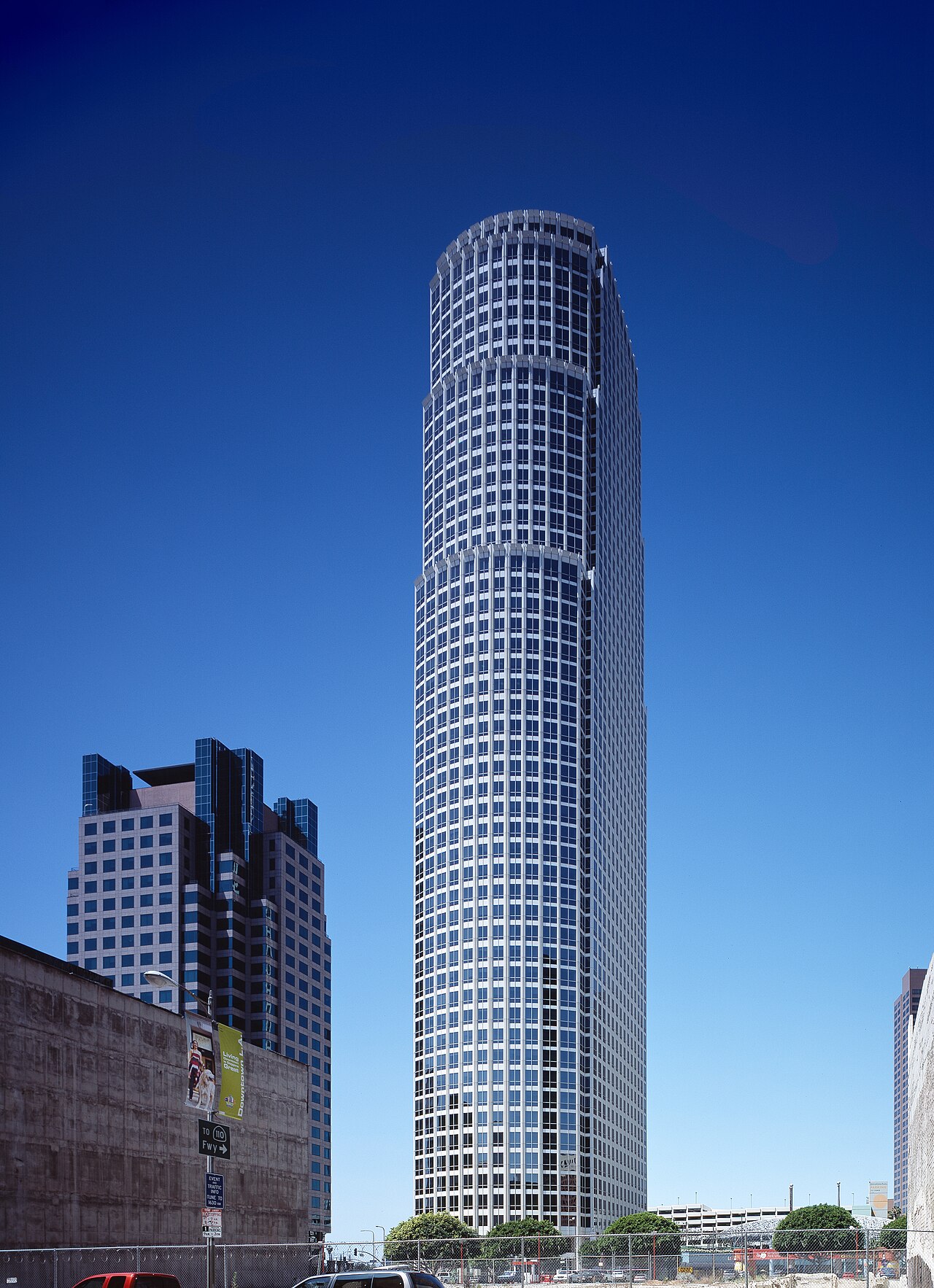
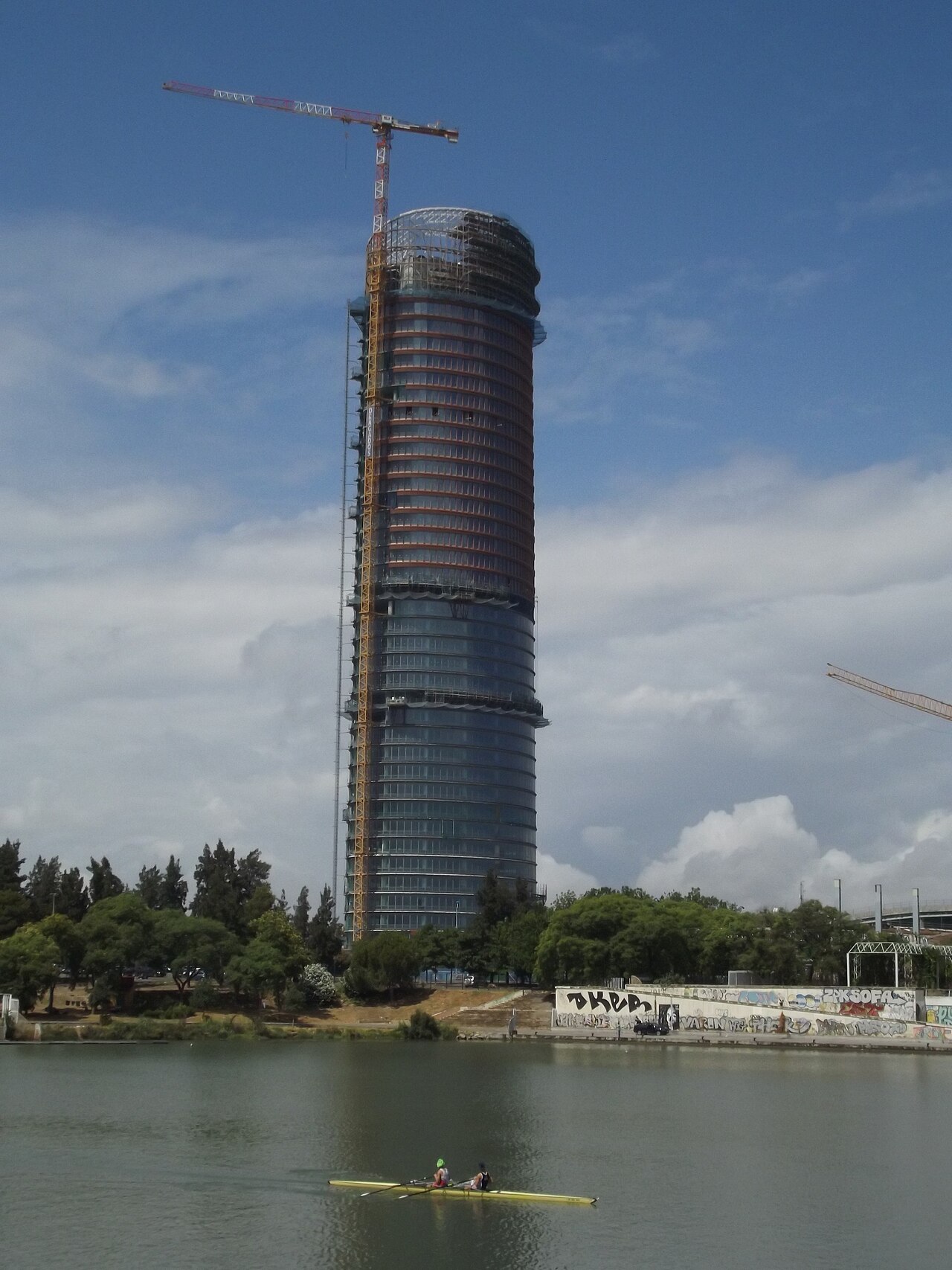
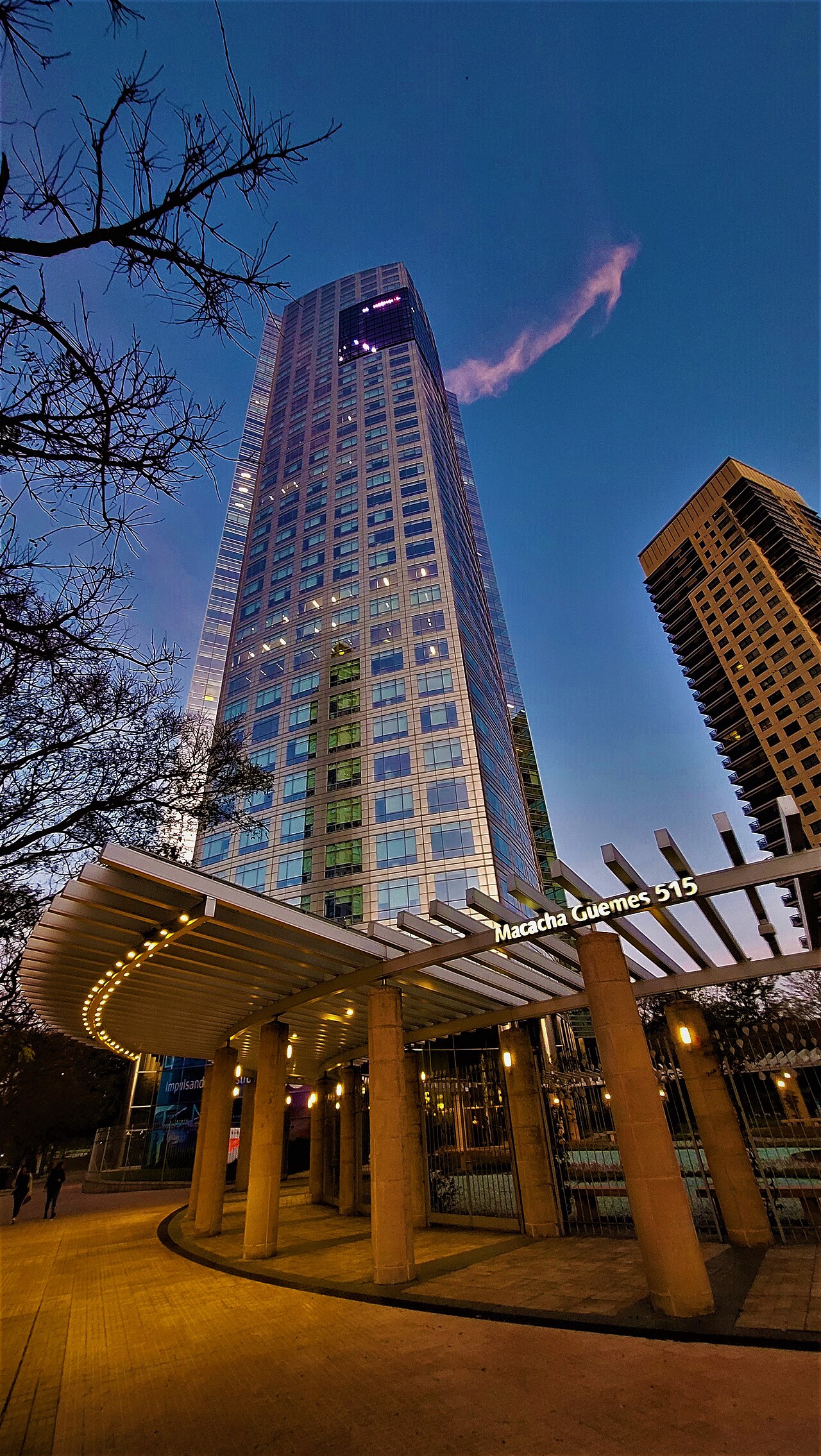
César Pelli (October 12, 1926 – July 19, 2019) was an Argentinian and American architect who designed some of the world's tallest buildings and other major urban landmarks. Three of his most notable buildings are the Petronas Towers in Kuala Lumpur, the World Financial Center in New York City, and the Salesforce Tower in San Francisco. The American Institute of Architects named him one of the ten most influential living American architects in 1991 and awarded him the AIA Gold Medal in 1995. In 2008, the Council on Tall Buildings and Urban Habitat presented him with The Lynn S. Beedle Lifetime Achievement Award.
- born
- October 12, 1926, San Miguel de Tucumán, Argentina
- died
- July 19, 2019, New Haven, Connecticut, United States
- field
- Architecture
- nationality
- Argentinian and American
- known_for
- Designing some of the world's tallest buildings, including Petronas Towers, Worl
Verified Timeline
Lore & Background
Pelli studied architecture at the Universidad Nacional de Tucumán, graduating in 1949, then earned a Master of Science in Architecture from the University of Illinois School of Architecture in 1954. He worked for Eero Saarinen for ten years, contributing to the TWA terminal at JFK and Morse and Stiles colleges at Yale. After directing design at firms in Los Angeles, he became dean of the Yale School of Architecture in 1977, serving until 1984, and founded Cesar Pelli & Associates. His career spanned major projects including the Pacific Design Center (1975), the Museum of Modern Art expansion (1984), the World Financial Center (1988), and the Petronas Towers (1997), which were the world's tallest buildings until 2004. Later works include the Salesforce Tower in San Francisco (2018) and Azabudai Hills in Tokyo (completed 2023). Pelli received the AIA Gold Medal in 1995 and the Lynn S. Beedle Lifetime Achievement Award in 2008.
Reader's Guide
César Pelli's significance lies in his prolific output of tall buildings and cultural landmarks that shaped skylines globally. His work, from the Petronas Towers to the World Financial Center, combined technical innovation with contextual design, often using materials like stainless steel. As dean of Yale's architecture school and recipient of major awards, he influenced both practice and education. His legacy includes a firm that continued after his death, completing projects like Azabudai Hills. Pelli's buildings remain central to urban identities in cities from Kuala Lumpur to San Francisco.
Did You Know?
- Pelli's first landmark building, the Pacific Design Center in West Hollywood, was completed in 1975 and became known locally as the 'Blue Whale'.
- The Petronas Towers in Kuala Lumpur, completed in 1997, were the world's tallest buildings until 2004.
- Pelli served as dean of the Yale School of Architecture from 1977 to 1984.
- He received the Aga Khan Award for Architecture in 2004 for the design of the Petronas Towers.
- Pelli's design for Azabudai Hills in Tokyo was completed on June 30, 2023, making it the tallest building in Japan at the time of completion.
From Tucumán to the World Stage
Pelli's career arc spans continents and decades. After a formative decade working under Eero Saarinen in Bloomfield Hills, Michigan—contributing to the TWA terminal at JFK and Yale's Morse and Stiles colleges—he moved through design leadership roles at Daniel, Mann, Johnson and Mendenhall and Gruen Associates in Los Angeles. His first landmark, the Pacific Design Center in West Hollywood (completed 1975), earned the affectionate nickname "Blue Whale" from locals. The pivotal turn came when he won the MoMA expansion commission, which catalyzed the founding of his own practice, Cesar Pelli & Associates. From there his portfolio exploded: the World Financial Center with its grand Winter Garden (1988), One Canada Square at Canary Wharf (1991), and ultimately the Petronas Towers in Kuala Lumpur (1997), clad in stainless steel and echoing Islamic geometric motifs, which held the title of world's tallest buildings until 2004. Together with the Salesforce Tower in San Francisco, these structures define a career that repeatedly redefined the urban skyline.
Roots and Formative Education
Born on October 12, 1926, in San Miguel de Tucumán, Argentina, Pelli grew up in a household shaped by economic hardship and cultural blending. His grandfather had emigrated from Italy, while his mother's lineage was criollo. His father, originally a civil servant, was forced into odd jobs during the Depression, and his mother supplemented the family income by teaching. Pelli studied architecture at the Universidad Nacional de Tucumán, earning his degree in 1949, and immediately put his skills to practical use designing low-cost housing in his home region. In 1952 he traveled to the United States for advanced study at the University of Illinois School of Architecture, completing his Master of Science in Architecture in 1954. That same year he and his wife Diana Balmori settled permanently in the U.S., and he became a naturalized citizen in 1964. These early years—marked by modest means, a practical design sensibility, and cross-cultural exposure—laid the groundwork for an architect who would later tackle some of the most ambitious commissions on Earth.
The Academic and Institutional Thread
Pelli's relationship with academia ran as deep as his built work. While practicing in Los Angeles he taught in UCLA's architecture program, and in 1977 he was appointed dean of the Yale School of Architecture, a role he held until 1984. His Yale connection stretched further back: during his Saarinen years he had contributed to the design of the Morse and Stiles colleges on that very campus. His deanship coincided with a defining professional moment—winning the MoMA expansion and renovation commission, which led directly to the founding of Cesar Pelli & Associates. The firm's identity later evolved to Pelli Clarke Pelli Architects in 2005, reflecting the growing contributions of senior principal Fred W. Clarke and his son Rafael. Pelli also returned to his Argentine roots in a professional capacity, leading the design and early construction of the Universidad Siglo 21 campus in Córdoba between 2001 and 2004 alongside his wife Diana and the local firm GGMPU. An honorary Doctor of Humane Letters from the University of Minnesota Duluth in 2004, where he had designed Weber Music Hall, rounded out a long academic record.
Honors, Family, and Lasting Legacy
Pelli's contributions were recognized by the highest bodies in architecture. The American Institute of Architects named him one of the ten most influential living American architects in 1991 and bestowed the AIA Gold Medal upon him in 1995. In 2004 he received the Aga Khan Award for Architecture for the Petronas Towers, and in 2008 the Council on Tall Buildings and Urban Habitat presented him with the Lynn S. Beedle Lifetime Achievement Award. The Connecticut Architecture Foundation also honored him with its Distinguished Leadership Award in 2005. Beyond the profession, his personal life was anchored by his marriage to landscape architect Diana Balmori (1932–2016). Together they raised two children: Denis, who became a neurobiologist and Professor of Psychology and Neural Science at New York University, and Rafael, who followed his father into architecture. The family called an apartment in The San Remo on Manhattan's Upper West Side home. Pelli passed away on July 19, 2019, leaving behind a body of work that redefined skylines from Kuala Lumpur to New York to San Francisco.
Gallery

Frequently Asked Questions
Who is César Pelli?
César Pelli was an architect of Argentine and American nationality who specialized in designing supertall skyscrapers and major urban landmarks. He was born in San Miguel de Tucumán, Argentina, in 1926 and passed away in New Haven, Connecticut, in 2019.
What buildings is César Pelli most famous for?
His three most celebrated works include the Petronas Towers in Kuala Lumpur, the World Financial Center in New York City, and the Salesforce Tower in San Francisco. These structures are frequently cited among the tallest and most recognizable buildings in the world.
What major honors did César Pelli receive?
The American Institute of Architects recognized him as one of the ten most influential living American architects in 1991. He later received the AIA Gold Medal in 1995, one of the highest distinctions in the profession.
Where was César Pelli born and where did he die?
He was born on October 12, 1926, in San Miguel de Tucumán, Argentina, and died on July 19, 2019, in New Haven, Connecticut. His career spanned both his native South America and the United States.
Why is César Pelli considered important in architecture?
Pelli is regarded as a defining figure in modern skyscraper design, having shaped skylines across multiple continents. His work demonstrated that supertall structures could combine structural innovation with a distinctive aesthetic identity.
More in Architects 1-24
Spotted an error? Know more?
This is a living reference — every entry is fact-audited, and reader corrections feed straight into our audit queue. Suggest an edit · See this site's audit record